Global buyers need more than a supplier list when evaluating Beef Uterine Powder. They need evidence, consistency, and clear product boundaries. This ingredient may vary by animal source, tissue preparation, drying temperature, particle size, and storage conditions. A polished website proves little.
Dr. Temple Grandin, a respected animal-science expert, has said, “You have to look at the whole system.” That principle applies here. Buyers should examine slaughterhouse traceability, hygienic handling, batch testing, certificates of analysis, and export documentation. Heavy metals, microbial limits, moisture, and identity testing deserve careful review. Ask for recent reports, not generic promises. Real experience often appears in small details, such as sealed inner liners, readable lot numbers, and temperature-controlled shipping records.
The following seven Beef Uterine Powder suppliers are assessed through a practical global-buying lens. Their sourcing transparency, manufacturing controls, documentation quality, customization options, and communication standards matter. Regulatory acceptance can differ between countries, and product classification may require local confirmation. Do not assume one certificate covers every market.
There is no perfect supplier.
Some public information may be incomplete, outdated, or difficult to verify. That limitation should remain visible. Responsible buyers should request samples, compare specifications, confirm permitted applications, and consult qualified regulatory professionals before importing. A lower price may reflect fewer controls, but not always. Careful comparison remains essential.
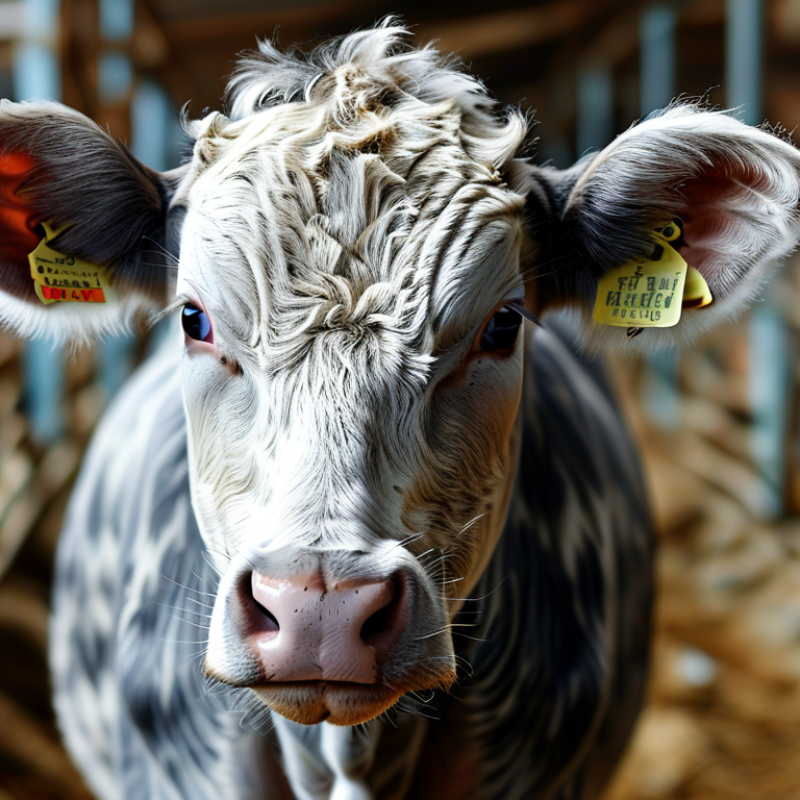
Beef uterine powder is a dried, finely milled animal-derived ingredient made from inspected bovine uterine tissue. Its composition may include proteins, peptides, minerals, and other naturally occurring compounds. However, nutrient levels can vary with animal age, processing temperature, and storage conditions. It should not be presented as a guaranteed treatment or miracle product.
Global buyers may consider this powder for regulated food, feed, research, or traditional-use applications. Permitted uses differ across countries. Importers should check customs rules, animal-origin requirements, labeling standards, and end-use restrictions before purchasing. Clear documentation matters. A reliable supplier should provide species identification, processing details, microbiological results, heavy-metal testing, and batch traceability.
Quality is more than appearance. A pale powder may still have poor hygiene controls. Buyers should ask about moisture limits, pathogen screening, allergen handling, packaging barriers, and warehouse conditions. Certificates help, but they do not prove every batch is perfect. Independent testing remains sensible, especially for new suppliers or large shipments. Some product descriptions also use vague traditional language, which can confuse buyers and encourage unsupported health claims. Careful wording protects both consumers and distributors. Pricing deserves attention too. Very low prices may reflect weak testing, inconsistent raw material, or unsuitable storage. Supplier evaluation should remain evidence-based and specific.
A supplier-selection reference based on sourcing model, product documentation, processing controls, and international purchasing requirements
| Rank | Supplier Profile | Typical Product Form | Primary Global Uses | Preferred Processing Controls | Documents Global Buyers Should Request | Best-Fit Buyer Type | Selection Priority |
|---|---|---|---|---|---|---|---|
| 1 |
Licensed Bovine By-Product Processor
Specializes in converting inspected bovine organs into dried powders.
|
Fine powder Spray-dried or low-temperature dried | Ingredient development, animal nutrition research, and traditional animal-derived ingredient applications where legally permitted. | Approved slaughterhouse sourcing, controlled drying, foreign-material control, batch traceability, and microbiological testing. | Certificate of analysis, traceability statement, processing description, allergen statement, veterinary or sanitary documentation, and export eligibility. | Importers, ingredient distributors, and manufacturers requiring consistent bulk supply. | Very high |
| 2 |
Food- and Feed-Grade Rendering Specialist
Handles animal-derived materials under separate food or feed production controls.
|
Standardized powder Bulk-packed material | Feed formulation, palatability research, protein-ingredient development, and non-human food applications subject to local law. | Defined raw-material classification, validated heat treatment, moisture control, storage hygiene, and segregation of food- and feed-grade production. | Product specification, certificate of analysis, country-of-origin statement, intended-use declaration, and applicable feed-safety records. | Feed manufacturers, research organizations, and regional distributors. | Very high |
| 3 |
Traceable Freeze-Drying Supplier
Uses freeze-drying to preserve a comparatively low-moisture organ powder.
|
Freeze-dried powder Research-grade lots | Laboratory research, analytical reference work, specialty formulation trials, and limited-volume product development. | Low-temperature processing, moisture and water-activity testing, controlled packaging, and lot-level traceability. | Certificate of analysis, water-activity result, microbial panel, heavy-metal results, storage instructions, and shelf-life information. | Universities, laboratories, specialty formulators, and small-batch developers. | Very high |
| 4 |
Custom-Standardization Ingredient Supplier
Provides powder produced to buyer-defined particle size, moisture, or packaging requirements.
|
Customized mesh size Private specification | Contract manufacturing, prototype formulas, ingredient blending, and application-specific research. | Written specifications, change-control procedures, validated sampling, batch coding, and documented deviation management. | Product specification, sample approval record, change-control policy, certificate of analysis, and quality agreement. | Contract manufacturers and buyers with established technical specifications. | High |
| 5 |
Small-Batch Specialty Organ Supplier
Focuses on limited production runs and flexible packaging formats.
|
Small-batch powder Laboratory or pilot packs | Pilot studies, sensory or formulation screening, and early-stage research. | Documented sanitation, basic microbial control, moisture monitoring, and clear separation from unprocessed raw materials. | Certificate of analysis, ingredient statement, handling instructions, production date, lot number, and storage conditions. | Start-ups, laboratories, pilot plants, and buyers testing market demand. | Medium to high |
| 6 |
Regional Export Distributor
Sources from qualified processors and manages documentation and logistics for overseas buyers.
|
Bulk powder Repacked or original lots | Cross-border ingredient distribution, regional warehousing, and consolidated purchasing. | Approved upstream sources, warehouse pest control, tamper-evident packaging, inventory rotation, and shipment traceability. | Original manufacturer documents, certificate of analysis, packing list, commercial invoice, origin documents, and shipping conditions. | Buyers that need consolidated shipments or local inventory support. | Medium to high |
| 7 |
Research-Only Animal Tissue Supplier
Supplies material specifically for laboratory or non-clinical research use.
|
Research-use powder Small analytical lots | Comparative biology, laboratory method development, composition studies, and non-clinical research. | Sample identity controls, chain-of-custody records, contamination screening, and clearly defined research-use labeling. | Material identification, donor or source statement where legally available, certificate of analysis, biosafety information, and research-use disclaimer. | Universities, laboratories, and institutions with approved research protocols. | Standard |
It is a finely milled, dried ingredient made from inspected bovine uterine tissue. Its composition may include proteins, peptides, and minerals.
Animal age, drying temperature, milling, moisture, and storage conditions can affect the final composition. Results may vary between batches.
Buyers may consider regulated food, feed, research, or traditional-use applications. Permitted uses differ across countries.
Request species identification, processing details, veterinary documents, batch records, and current certificates of analysis.
Check moisture, microbial limits, pathogen screening, heavy metals, and prohibited residues. Independent testing remains sensible.
No. Color alone proves little. A pale powder may still have weak hygiene controls or unsuitable storage.
Compare traceability, drying methods, milling consistency, packaging barriers, lead time, order quantities, and corrective-action history.
Look for uniform texture, limited odor, no dark particles, and no visible moisture. One sample may not represent every batch.
Use sealed packaging in a clean, dry warehouse. Protect it from moisture, heat, pests, and strong odors.
No. It should not be promoted as a miracle product or guaranteed treatment. Traditional wording can create confusion.
This guide explores Beef Uterine Powder, including its general characteristics, potential applications in animal nutrition and research, and the importance of responsible international trade. It explains how global buyers can evaluate suppliers through key standards such as product consistency, traceability, hygienic processing, testing procedures, documentation, packaging, and storage conditions. The comparison of seven leading supplier types focuses on practical differences in quality systems, compliance readiness, pricing transparency, production capacity, and export support without promoting any specific brand.
The article also outlines how buyers can select the most suitable supplier for their needs. Recommended steps include verifying certificates and batch documentation, confirming applicable import requirements, requesting samples when appropriate, reviewing minimum order quantities and lead times, and assessing communication and after-sales support. By balancing quality, regulatory compliance, cost, logistics, and reliability, international purchasers can make informed sourcing decisions and establish a stable, transparent supply relationship.
