
As we look toward 2026, the relevance of Apigenin Powder in health and wellness continues to rise. This natural flavonoid is found in various fruits and vegetables, showcasing its versatility. The potential benefits of Apigenin Powder are drawing attention for many reasons. It may support overall well-being, enhance relaxation, and offer antioxidant properties.
Research indicates that Apigenin Powder could play a significant role in reducing inflammation. Some studies suggest it might also aid in improving sleep quality. These benefits make it a compelling addition to health routines. However, individuals should approach its use with some caution. Not everyone may experience the same positive effects. It’s essential to consider personal health conditions and consult professionals.
In exploring the advantages of Apigenin Powder, we strive for a balanced perspective. While the promise is exciting, exploring potential side effects is equally important. The journey into the world of Apigenin requires informed choices.
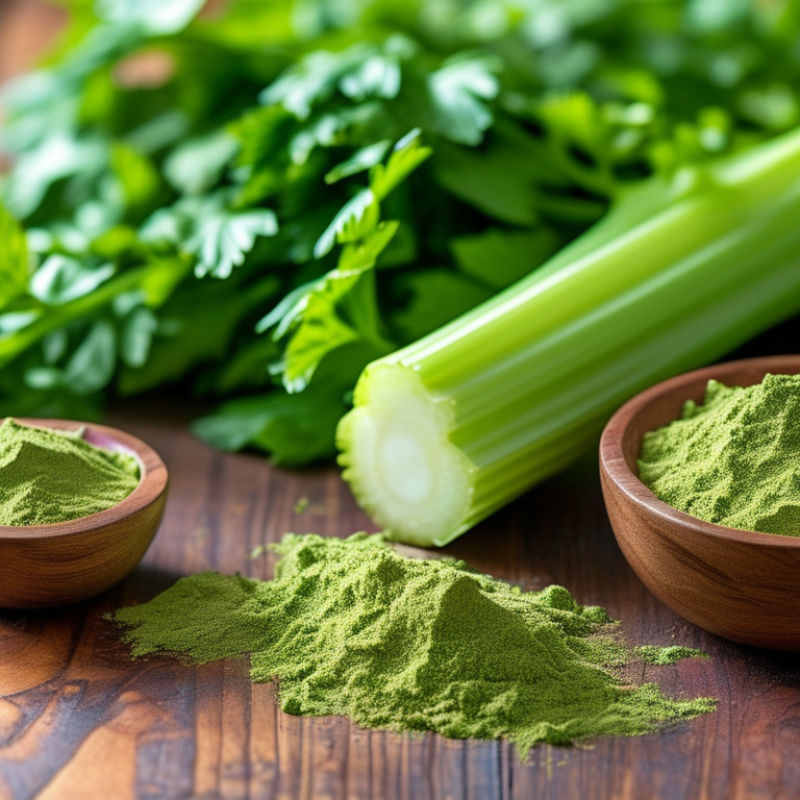
Apigenin powder is gaining attention for its potential health benefits. This natural flavonoid is found in various plants, including parsley, celery, and chamomile. Research indicates that apigenin has antioxidant properties, which may help combat oxidative stress in cells. A study published in the Journal of Agricultural and Food Chemistry highlights that apigenin's anti-inflammatory effects can support overall health.
Many people overlook apigenin's dietary sources. Parsley and celery are particularly rich in this compound. Daily consumption of these foods can offer health benefits without the need for supplements. However, extracting the right amount from food can be challenging. Cooking methods can impact the levels of apigenin. It's essential to balance between raw and cooked forms for maximum benefit.
Tip: To maximize apigenin intake, incorporate fresh parsley into your salads. A simple sprinkle can enhance flavor and deliver health benefits. Be aware that bioavailability varies among individuals, so results may differ. Understand your own body's reaction to dietary changes. Listening to your body is crucial for optimizing health.
| Benefit | Description | Sources |
|---|---|---|
| Antioxidant Properties | Apigenin is known to neutralize free radicals, reducing oxidative stress in the body. | Chamomile, parsley, celery |
| Anti-inflammatory Effects | May help in reducing inflammation by inhibiting inflammatory pathways. | Onions, thyme, oranges |
| Cancer Prevention | Studies suggest apigenin may induce apoptosis in cancer cells. | Chamomile, garlic, artichoke |
| Anxiety Reduction | Apigenin may promote relaxation and reduce anxiety symptoms. | Chamomile tea, celery |
| Hormonal Balance | Could influence estrogen levels and support hormonal balance. | Parsley, grapefruit, soy |
Apigenin, a natural compound found in various plants, offers promising health benefits. Known for its antioxidant properties, apigenin helps combat free radicals. These harmful molecules cause cellular damage and contribute to aging and chronic diseases. By neutralizing free radicals, apigenin may help improve overall health and longevity.
Additionally, apigenin exhibits anti-inflammatory effects. Inflammation is linked to many health issues, including heart disease and arthritis. Research suggests that apigenin can reduce inflammatory markers in the body. It may inhibit certain pathways that trigger inflammation. This makes it a potential ally in managing inflammatory conditions.
While the benefits are notable, it’s important to remember that research is ongoing. Not everyone responds equally to apigenin. Some individuals may experience side effects or interactions with medications. Consulting healthcare professionals before adding new supplements is always wise. A nuanced approach ensures that one benefits from apigenin safely and effectively.
Apigenin, a natural flavonoid found in various plants, plays a crucial role in cellular health. Recent studies highlight its potential to reduce inflammation and oxidative stress. This is vital, as chronic inflammation is linked to numerous diseases. A 2023 report revealed that about 70% of chronic diseases stem from inflammatory responses at the cellular level. Apigenin can help mitigate this issue.
Cellular health influences overall well-being. Research shows that apigenin may enhance cellular repair mechanisms. By supporting cellular function, it encourages resilience against diseases, including cancer. According to a prominent journal, apigenin exhibited anti-cancer properties in multiple studies. It can inhibit the growth of certain cancer cells by inducing apoptosis, or programmed cell death, which is essential for keeping the cellular environment healthy.
Moreover, apigenin's neuroprotective effects are noteworthy. Findings indicate that it possesses potential benefits for brain health. Some studies suggest it might improve cognitive function and aid in preventing neurodegenerative diseases. This opens a pathway for further exploration into its therapeutic applications. However, more research is necessary to fully understand its long-term effects. Each scientific step may reveal more about its complexities and limitations in human health contexts.
Apigenin powder has gained attention for its potential uses in dietary supplements. This flavonoid, found in various fruits and vegetables, has shown promise in several health domains. Research indicates that apigenin possesses anti-inflammatory and antioxidant properties. A report from the National Institutes of Health suggests that apigenin may help combat oxidative stress, a contributor to chronic diseases.
In 2026, dietary supplements featuring apigenin powder could play a significant role in promoting wellness. Studies indicate that apigenin might possess anxiolytic properties, potentially reducing anxiety. One university study found a notable decrease in stress levels in subjects consuming apigenin. Its calming effects could make it a popular ingredient in supplements aimed at mental health.
Moreover, there's evidence supporting apigenin's anti-cancer properties. It has been shown to inhibit tumor growth in preliminary studies. However, it's important to note that while the data is promising, further research is essential to substantiate these claims. The variability in individual responses also warrants caution in how consumers approach supplementation with apigenin.
Research on apigenin, a natural flavonoid found in herbs and vegetables, is gaining momentum. In 2026, studies are anticipated to delve deeper into its health benefits. Emerging data suggest apigenin may possess anti-inflammatory and antioxidant properties. For instance, recent clinical reports indicated that it could potentially modulate immune response.
Future directions in apigenin research will likely focus on its molecular mechanisms. Investigators aim to explore its effects on various health conditions, including anxiety and chronic diseases. A recent study published in the Journal of Phytochemistry showed potential neuroprotective effects, which could revolutionize how we approach neurological health. Yet, challenges remain in creating standardized doses and understanding bioavailability. This complexity complicates the picture, demanding more rigorous trials.
While promising, there are gaps in understanding the full potential of apigenin. Researchers must address these challenges to validate its applications in modern health. Consequently, collaboration across disciplines could enhance insights, clarifying benefits and risks associated with apigenin supplementation. Continued exploration is essential for navigating this evolving landscape.
: Apigenin powder is a natural flavonoid with potential health benefits. It is found in plants like parsley and chamomile.
Apigenin has antioxidant and anti-inflammatory properties, which may combat oxidative stress and reduce inflammation in the body.
Parsley and celery are particularly high in apigenin. Including them in your diet can be beneficial for health.
Yes, cooking can alter the levels of apigenin. Balancing raw and cooked sources is important for maximizing intake.
Some individuals might experience side effects or interactions with medications. Consulting a healthcare professional is advisable.
Apigenin may enhance cellular repair mechanisms and help mitigate chronic inflammation, crucial for preventing various diseases.
Some studies suggest that apigenin has neuroprotective effects, potentially improving cognitive function and preventing neurodegenerative diseases.
Yes, ongoing research is essential to fully understand the long-term effects and complexities of apigenin on health.
Incorporate fresh parsley into salads for easy intake. Listen to your body to find what works best for you.
Yes, bioavailability of apigenin varies. Personal reactions to dietary changes should be observed and considered.
Apigenin Powder, derived from various plant sources such as parsley and chamomile, offers a range of health benefits due to its potent antioxidant and anti-inflammatory properties. This natural compound plays a significant role in cellular health, potentially aiding in the prevention of chronic diseases by combating oxidative stress and inflammation.
As interest in Apigenin Powder continues to grow, its incorporation into dietary supplements is becoming more prevalent. Future research is expected to explore new applications and enhance our understanding of how apigenin can support health and wellness, paving the way for innovative uses in health supplements and nutrition.
