Explore our selected active compounds and herbal extracts manufactured under strict global safety and efficacy protocols.
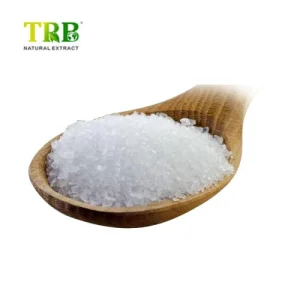
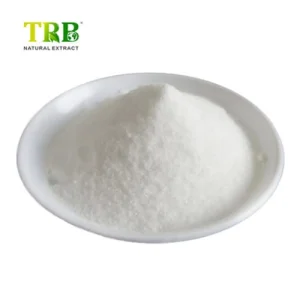
Betulin (CAS 473-98-3) is a naturally occurring pentacyclic triterpene alcohol isolated in large quantities from the outer bark of white birch trees (mainly Betula platyphylla and Betula alba). Structurally relative to lupane, it forms the protective outer shield of the tree trunk, giving the white birch its characteristic pale coloration. Over the past two decades, this highly bioactive crystalline molecule has transitioned from a traditional botanical component to an essential raw material in modern biomedical synthesis, dermatology, cosmeceuticals, and metabolic medicine.
Historically recognized for its excellent stability, Betulin acts as a direct biogenetic precursor to Betulinic Acid—a compound highly valued for its selective cytotoxicity against melanoma cells and wide-spectrum antiviral characteristics. Because of its lipophilic character, Betulin serves as a primary structural template in modern drug delivery research, metabolic health products, and dermoprotective formulations. As a major China Betulin supplier, we emphasize the potential of this molecule to form a protective layer on human skin, accelerate tissue regeneration, regulate lipids, and modulate immune responses, presenting a massive growth vector for clean-label, bio-based formulation pipelines globally.
Core Scientific Insight: Betulin is highly sought after because of its role in regulating cholesterol metabolism. It specifically inhibits the activation of Sterol Regulatory Element-Binding Proteins (SREBPs), which in turn lowers lipid levels in vivo and mitigates atherosclerotic plaque development.
The industrial extraction of Betulin requires precise chemical engineering to isolate the triterpenoid without breaking its delicate ring structure. The outer bark of Betula platyphylla contains up to 30% of Betulin, making it one of the richest natural sources of active components in the plant kingdom. Extracting high-purity Betulin (from 70% to 98% HPLC grade) requires a strict purification pathway that addresses the presence of co-extracted suberin, polyphenols, and other wood-derived lipids.
Traditional extraction uses organic solvents (such as ethanol, ethyl acetate, or methanol) under reflux conditions. Modern, eco-friendly extraction techniques developed by top Chinese manufacturers utilize Supercritical Fluid Extraction (SFE-CO2) assisted by polar co-solvents. This method significantly minimizes the presence of residual solvents, aligning with the clean-beauty and pharmaceutical standards of international markets. Following extraction, the crude product undergoes recrystallization using specialized solvent systems to achieve cosmetic grade (≥90%) and pharmaceutical grade (≥98%) criteria.
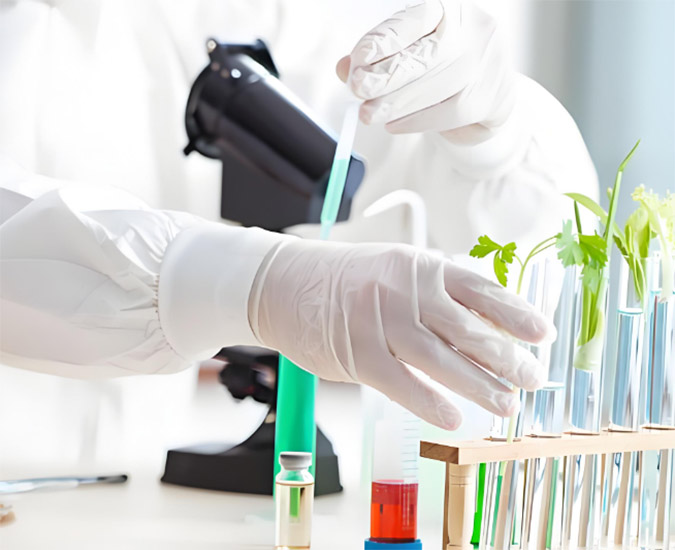
Every batch of Betulin must be validated using High-Performance Liquid Chromatography (HPLC) coupled with Diode Array Detection (DAD) or Charged Aerosol Detection (CAD) to confirm its purity profile. The primary impurities monitored include lupeol and betulinic acid. By carefully optimizing crystallization temperatures and solvent ratios, TRB consistently maintains raw materials at strict specifications, with heavy metals below 10 ppm, pesticide residues below detection limits, and total aerobic microbial counts below 1000 CFU/g.
China has established itself as the global leader in the production and supply of high-purity Betulin. This is due to a combination of natural resource abundance, advanced extraction technologies, and well-integrated industrial supply chains.
1. Geographic Access to Sustainable Raw Materials: Northeast China, specifically the Greater Khingan and Lesser Khingan Mountains, contains extensive wild and sustainably managed white birch forests. Birch bark is a natural byproduct of the region's timber and paper industries. Utilizing this bark for Betulin extraction provides an eco-friendly source of raw materials while promoting circular economy principles.
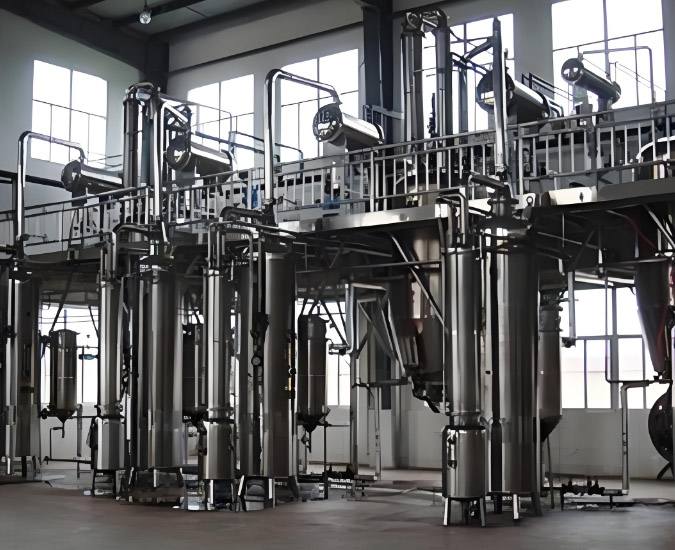
2. Unmatched Economies of Scale and Energy Efficiency: Factories in China utilize large-scale extractors (up to 5000L capacity) connected to continuous automated refining systems. This high production capacity reduces unit costs, providing global buyers with a reliable supply of premium Betulin at competitive rates.
3. Strict Regulatory Compliance & Certifications: Leading Chinese manufacturers, such as Nanjing Tong Rui Bio-Tech Co., Ltd. (TRB), operate state-of-the-art facilities equipped with GMP-compliant cleanrooms. Our factories hold global certifications including GMP, ISO, HACCP, ORGANIC, FDA, HALAL, and KOSHER. This compliance ensures that our products seamlessly meet the import standards of regulatory authorities in North America, Europe, and Asia-Pacific.
Nanjing Tong Rui Bio-Tech Co., Ltd. (TRB) is a leading Chinese manufacturer and exporter of herbal extracts and derivatives, with over 20 years of experience. We combine research and development, production, and international sales to supply active ingredients for the food, cosmetic, pharmaceutical, and nutraceutical industries.
Our portfolio includes Herbal Extracts, Sweeteners, Nootropics, Fruit & Vegetable Juice Powders, Essential Oils, and Bee Products. Thanks to our rapid development and commitment to quality, we were honored with the 2026 "Global Biotechnology and Life Sciences Award" as the "Best Global Herbal Extract Provider 2026."
TRB operates three modern manufacturing facilities: one for herbal extracts, one for bee products, and another for animal-derived extracts. Our focus on quality is supported by a comprehensive certification system including GMP, ISO, HACCP, ORGANIC, FDA, HALAL, and KOSHER. Our products are exported to more than 60 countries and regions worldwide.
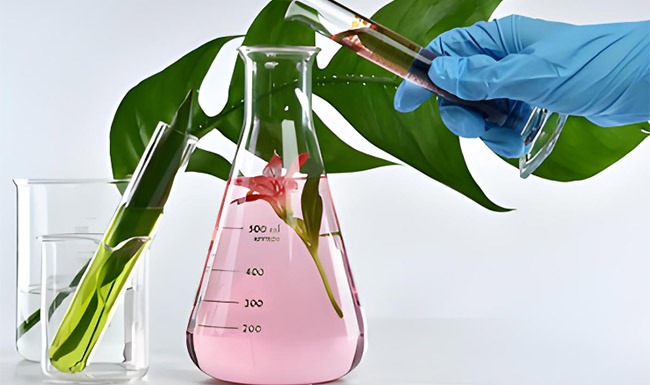
The demand for Betulin is expanding across multiple industries, driven by the shift toward natural, bio-based alternatives and cleaner formulations.
In cosmetics, Betulin is highly valued for its ability to target multiple signs of aging. It inhibits the activity of elastase and collagenase, two key enzymes responsible for the breakdown of skin matrix proteins. This action helps maintain skin elasticity and reduces the appearance of fine lines. Furthermore, it regulates melanogenesis by inhibiting tyrosinase, making it a key active ingredient in formulations targeting hyperpigmentation, age spots, and uneven skin tone. Its anti-inflammatory properties also make it suitable for formulations designed for sensitive skin, eczema, and psoriasis.
Betulin serves as the primary starting material for the synthesis of Betulinic Acid, a compound with well-documented antiviral and anti-tumor properties. Researchers utilize Betulin as a cost-effective precursor to synthesize structurally modified derivatives. These derivatives are currently being evaluated in clinical studies for their efficacy against HIV, influenza, herpes simplex viruses, and various cancer cell lines.
As a dietary supplement ingredient, Betulin is being studied for its potential role in metabolic health. Research indicates that Betulin may support healthy lipid levels, improve insulin sensitivity, and assist in weight management by modulating key metabolic pathways. As consumers continue to look for proactive health solutions, Betulin presents a promising option for innovative cardiovascular and metabolic health formulas.
Procuring high-quality botanical ingredients requires careful vetting and strict quality control. To help sourcing managers navigate the purchasing process, we have outlined key steps to ensure quality, consistency, and compliance.
When sourcing Betulin, always request a comprehensive documentation package. This package should include:
Given the lipophilic and crystalline nature of Betulin, proper packaging is essential to prevent moisture absorption and contamination during transit. Premium suppliers package the material in double-layer food-grade polyethylene bags sealed inside heavy-duty fiber drums. Ensure your supplier has established relationships with reputable international freight forwarders, providing seamless shipping options via air, sea, or express delivery, along with all necessary customs documentation.
We supply Betulin in standard purity grades ranging from 70% up to 98% (quantified by HPLC). The 90% and 95% grades are widely used in cosmetics, while the 98% grade is preferred for pharmaceutical synthesis and research purposes.
Betulin should be stored in a cool, dry place, away from direct sunlight, strong heat, and moisture. Keeping the container tightly sealed when not in use helps maintain chemical stability for up to 36 months from the date of manufacture.
Yes, our Betulin is extracted from the bark of white birch trees harvested in sustainably managed forests in Northeast China. The bark is obtained as a byproduct of timber production, ensuring an environmentally responsible supply chain.
We employ advanced vacuum drying and recrystallization steps to remove residual solvents. All batches are tested to ensure compliance with ICH guidelines for residual solvents, ensuring safe application in topical cosmetics and dietary supplements.
Select from our highly requested catalog of plant extracts and biological intermediates, optimized for cosmetic and food formulation.
As a reliable manufacturer and supplier, TRB is committed to providing high-quality active ingredients and comprehensive documentation to support your product development goals. Contact our team to request samples, specifications, or a quote.
Pioneer Bio-Park, No 127 North Road Xishan Bridge,
Yu Hua Tai District, Nanjing, China 210012
 Fax: 86-25-52867040