Explore our high-demand botanical extracts tailored for functional foods, cosmetics, and nutraceutical brands targeting Kuala Lumpur's discerning consumer base.
The Kuala Lumpur metropolitan region, spanning the Klang Valley, is witnessing a massive demographic transition. With an aging populace and escalating middle-class disposable incomes, the demand for preventative health, longevity solutions, and nutricosmetics has surged exponentially. The modern consumer in Kuala Lumpur is no longer satisfied with superficial treatments; there is an active shift toward cellular anti-aging, driven by scientific integrity, clinical efficacy, and clean-label natural extracts.
Key industries, including Malaysian pharmaceutical compounding firms, high-end cosmetic brands in Bukit Bintang, and wellness retreat centers in Selangor, are actively seeking reliable supply chains for active phytocompounds. The regulatory landscape supervised by the National Pharmaceutical Regulatory Agency (NPRA) of Malaysia demands the highest standard of trace element analysis, pesticide residue screening, and chemical assay standardization. Consequently, sourcing raw botanical extracts requires partnership with established, certified manufacturers capable of delivering batch-to-batch consistency.
Malaysia is a global hub for Halal standards. Sourcing plant extracts with native HALAL certification is paramount for local pharmaceutical and cosmetic manufacturing aimed at both domestic and international Islamic markets.
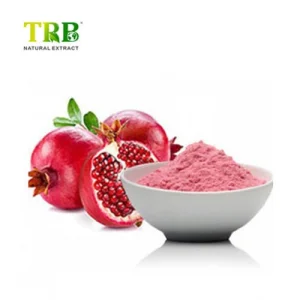
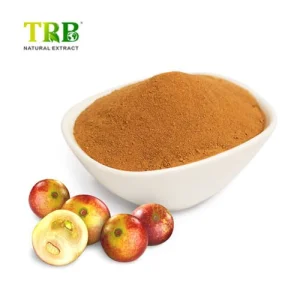
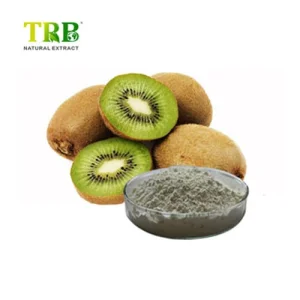
The intersection of diet and skin health is booming. Active powders such as Pomegranate, Kiwi, and Camu Camu are increasingly formulated into ready-to-drink collagen mixes, meal replacements, and sachet drinks across KL.
Due to Malaysia's year-round tropical environment, local formulations focus heavily on solar UV-induced skin damage recovery, pigmentation inhibition, and systemic hydration using natural antioxidants.
The efficacy of anti-aging herb extracts depends entirely on the active phytochemical density, bio-availability, and preservation of raw plant molecular structure. Modern extraction techniques, such as Supercritical CO2 extraction, low-temperature spray drying, and subcritical water processing, have revolutionized the industry. These methodologies ensure that volatile antioxidants, vitamins, and polyphenols remain structurally intact without chemical solvent residue contamination.
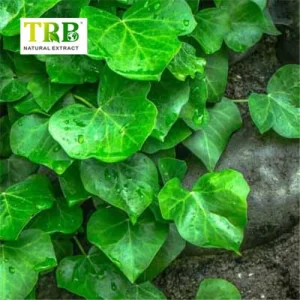
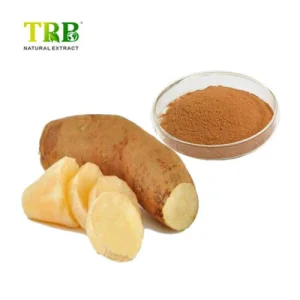
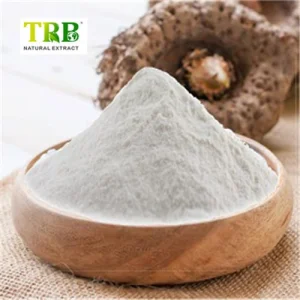
China's manufacturing sector stands at the absolute global vanguard of botanical science, combining vast raw agricultural resources with sophisticated state-of-the-art laboratory testing. As a leading manufacturer, Nanjing Tong Rui Bio-Tech Co., Ltd. (TRB) utilizes multi-stage chromatographic separation and strict high-performance liquid chromatography (HPLC) testing protocols to verify active compound percentages (e.g., Punicalagins in Pomegranate, Saponins in Ivy, or Glucomannan in Konjac).
For raw materials buyers in Kuala Lumpur, collaborating directly with Chinese factories offers clear structural benefits. It removes intermediaries, reducing procurement overheads while providing customizable grain sizes, carrier-free powders, and custom blends. Moreover, Chinese industrial scaling guarantees supply continuity, shielding Malaysian pharmaceutical projects from seasonal ingredient shortages.
Nanjing Tong Rui Bio-Tech Co., Ltd. (TRB) is China's leading manufacturer and exporter of herbal extracts and their derivatives, with over 20 years of industry excellence. We are a technology-based enterprise that seamlessly integrates advanced research & development, production, and international sales.
Our comprehensive product range includes Herbal Extracts, Natural Sweeteners, Nootropics, Fruit & Vegetable Juice Powders, Essential Oils, and premium Bee Products. Over decades of dedicated expansion, TRB has been recognized as an industry standard-bearer, proudly receiving the 2026 Global Biotechnology and Life Sciences Award as the "Best Global Herbal Extract Provider 2026."
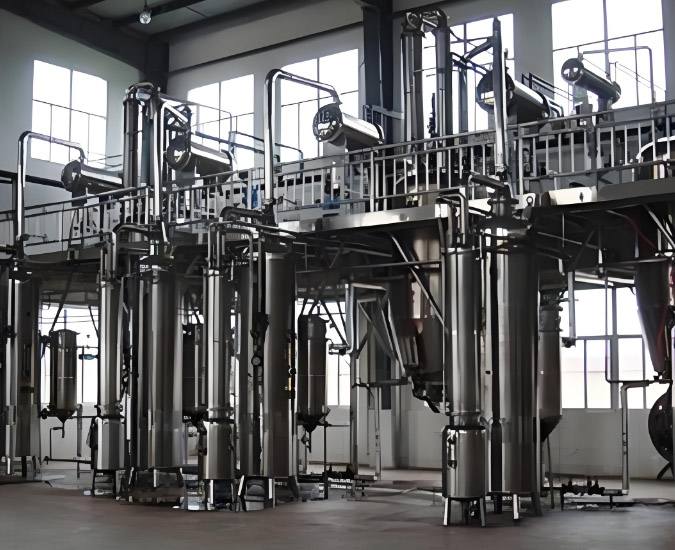
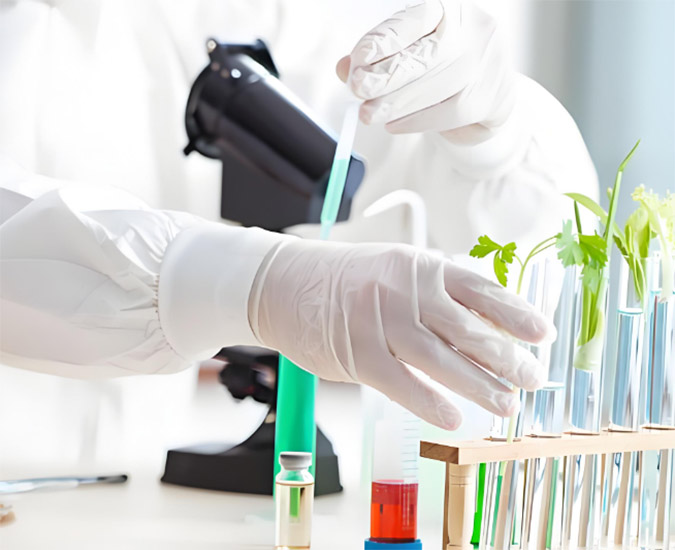
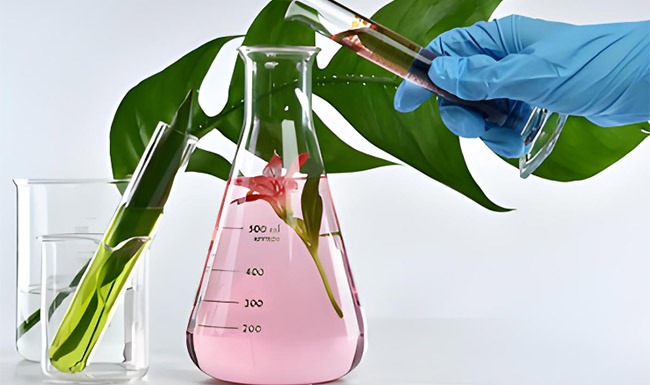
TRB operates three modern factories: a state-of-the-art herbal extract factory, a dedicated bee product plant, and an advanced facility specialized in animal extract processing. Our facilities maintain rigorous quality control measures verified by global standards, including GMP, ISO, HACCP, ORGANIC, FDA, HALAL, and KOSHER Certificates.
In recent years, TRB has focused on clinical-grade research of Nootropics, Brain Health Herb Extracts, and Longevity / Anti-Aging formulations. We have earned praise and strong relationships with partners globally, exporting raw materials to over 60 countries and regions. We remain dedicated to pure, natural plant extracts that enhance human health and longevity.
Explore our bottom collection of certified raw powders and standardized botanical ingredients, available in bulk orders with rapid logistics handling directly to Port Klang, Kuala Lumpur.
For manufacturing clients in Malaysia, incorporating raw powders requires meticulous formulation checks. For example, joint health supplements combine Glucosamine HCL with botanical extracts like ivy leaf to target both structural cartilage matrix synthesis and downregulate local inflammatory cytokines. Our technical teams help developers calculate the optimum ratio of active compounds to preserve organoleptic qualities (taste, color, texture) while keeping therapeutic dosages functional.
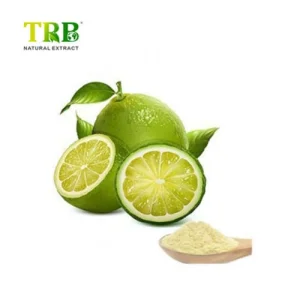
In addition, water solubility is a crucial factor for developers. Many raw extracts are inherently hydrophobic. TRB addresses this by offering micronized and instantized powders, particularly with fruit juice bases like Camu Camu, Kiwi, and Lemon, ensuring they disperse instantly in cold liquids. This is key for the RTD (ready-to-drink) market, which is popular in modern office complexes in Kuala Lumpur, Mid Valley City, and Bangsar.
Request custom specifications, assay reports, and free shipping samples directly from our quality assurance laboratories to test in your Kuala Lumpur facility.
Request Technical Data Sheet (TDS) NowSubscribe to our newsletter for technical bulletins and product offers.