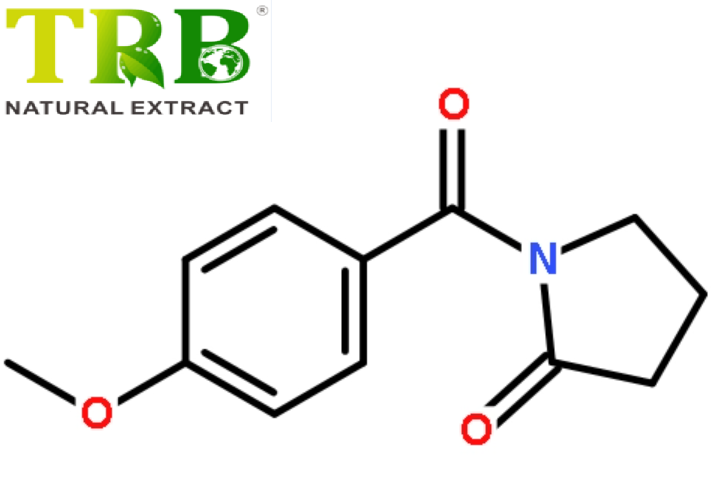
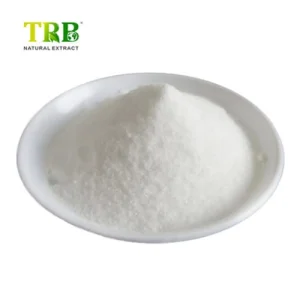
Aniracetam is a nootropic compound belonging to the racetam class, originally developed in the 1970s for cognitive enhancement. It is widely used to support memory, learning, and neuroprotection, with emerging research suggesting potential benefits in Alzheimer’s disease (AD) prevention by reducing amyloid-beta (Aβ) plaque accumulation. Available as capsules or powder, it is formulated for research and dietary supplementation (not FDA-approved for medical use in the U.S.).
Aniracetam is primarily studied and used to support memory, learning, cognitive enhancement, and neuroprotection. Emerging research also points to its potential in mood support and neurodegenerative disease prevention.
How does Aniracetam work?
It modulates AMPA receptors to enhance synaptic plasticity, increases BDNF levels to promote neurogenesis, and helps reduce oxidative stress and inflammation related to amyloid-beta toxicity.
What is the recommended dosage and method of use?
The standard guidelines suggest a dosage of 500–1500 mg per day, divided into 2–3 doses. It should be taken with fatty foods (like olive oil) to increase bioavailability, and can be paired with cholinergics such as Alpha-GPC.
Are there any side effects?
Common side effects include mild anxiety, insomnia, headache, or gastrointestinal discomfort. Most symptoms resolve with continued use. It is contraindicated for pregnant or lactating individuals.
Is Aniracetam approved by the FDA?
No, Aniracetam is not FDA-approved for medical use in the U.S. and is sold as a dietary supplement or research compound. In Europe, it is classified as a prescription-only substance.
How should Aniracetam be stored?
It should be stored at -20°C in airtight containers. Under these conditions, it remains stable for 5 years or more.