Explore our high-purity enterprise catalog manufactured under strict ISO/GMP validation standards.
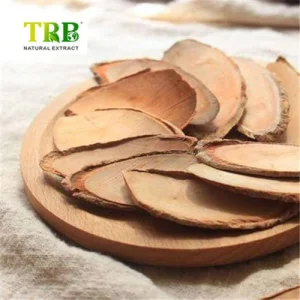
The global demand for high-purity, standardized Rhubarb Extract (Rheum palmatum L. / Rheum officinale / Rheum tanguticum) is undergoing exponential growth across pharmaceuticals, veterinary health, functional nutracosmetics, and natural food preservation sectors. Driven by the shift from synthetic active pharmaceutical ingredients (APIs) to bio-active phytogenic molecules, top-tier global procurement teams are sourcing standardized anthraquinones (Emodin, Rhein, Chrysophanol, Physcion, and Aloe-emodin) directly from validated primary manufacturers in China.
As a leading hub for herbal extraction excellence, China produces over 80% of the world’s global supply of commercial rhubarb derivatives. Modern processing plants utilize sophisticated technologies—such as Supercritical Carbon Dioxide Extraction (sCO2), High-Performance Liquid Chromatography (HPLC) purification cascades, and membrane filtration—to achieve active ingredient titrations ranging from standard ratio extracts (4:1, 10:1) to ultra-pure isolate fractions (HPLC 98%).
Industry projections indicate that the global market for botanical laxatives, anti-inflammatory phytopharmaceuticals, and natural anti-microbial feed additives will reach unprecedented compound annual growth rates (CAGR) through 2030. Sourcing directly from certified China factory facilities ensures complete supply chain traceability, competitive pricing structures, and full compliance with international pharmacopeias including USP, EP, and ChP.
Understanding the molecular profile of Chinese Rhubarb is critical for B2B formulation engineers. The root and rhizome of Rheum palmatum L. contain five major free anthraquinone compounds which serve as key active analytical markers.
| Active Marker Compound | CAS Registry No. | Standardized Purity Options | Primary Industrial / Clinical Application |
|---|---|---|---|
| Emodin (1,3,8-trihydroxy-6-methylanthraquinone) | 518-82-1 | 10%, 50%, 80%, 98% (HPLC) | Anti-inflammatory, anti-viral, lipid regulation, oncology research. |
| Rhein (4,5-dihydroxyanthraquinone-2-carboxylic acid) | 478-43-3 | 10%, 98% (HPLC) | Nephrology support, osteoarthritis management, gut barrier integrity. |
| Chrysophanol (Chrysophanic acid) | 481-74-3 | 10%, 98% (HPLC) | Neuroprotective agent, natural cosmetic anti-microbial dye, antimicrobial. |
| Aloe-Emodin | 481-72-1 | 95%, 98% (HPLC) | Dermatological cosmetics, anti-bacterial bio-preservative. |
| Physcion (Parietin) | 521-61-9 | 10%, 98% (HPLC) | Agricultural bio-fungicide, plant immunity booster. |
| Total Anthraquinones | N/A | 1.5%, 5%, 10%, 50% (UV-Vis) | Standardized dietary supplement laxatives & digestive cleansers. |
Factories operating under modern quality management systems implement full gas chromatography-mass spectrometry (GC-MS/MS) and ICP-MS testing to guarantee zero Ethylene Oxide (EtO), zero irradiation, heavy metals (Pb < 3ppm, As < 1ppm, Cd < 1ppm, Hg < 0.1ppm), and residual pesticides meeting EU EP standard 2.8.13.
Extraction techniques strictly prioritize food-grade water and USP-grade ethanol. Solvent residues are carefully monitored and kept well below Class 3 ICH guidelines (ethanol < 5000 ppm), maintaining pristine purity for dietary supplements and pharmaceuticals.
Top-tier China Rhubarb Extract factories follow a rigorous industrial processing flow to preserve sensitive thermolabile anthraquinones while eliminating unwanted impurities (such as excessive tannins or oxalic acid).
Harvesting official Rheum palmatum L. roots from high-altitude GAP-certified farms in Qinghai and Gansu provinces, ensuring optimum concentration of natural quinone precursors.
Utilizing dynamic multi-stage countercurrent extraction (CCE) with ethanol-water mixtures under low thermal stress to isolate anthraquinone glycosides and aglycones.
To produce high-purity single compounds like Emodin or Rhein, combined glycosides undergo precise acid hydrolysis to cleave glucose moieties, converting them into free aglycones.
Passing raw extracts through macroporous resin columns followed by repeated recrystallization with organic food-grade solvents to achieve pure 98% HPLC standardized crystals.
Rhubarb extract is globally recognized for its powerful laxative and stomachic properties. Free anthraquinones stimulate intestinal motility and promote fluid secretion into the gut lumen. Standardized extracts are used extensively in modern European and Asian herbal pharmacopeia formulations targeting chronic constipation and bowel detoxification.
Due to its high concentration of Emodin and Aloe-Emodin, Rhubarb extract exhibits potent anti-microbial activity against Propionibacterium acnes. Modern cosmetic formulation labs incorporate water-soluble rhubarb extracts into anti-acne serums, scalp balance shampoos, and skin-brightening creams (inhibiting tyrosinase synthesis).
With global bans on Antibiotic Growth Promoters (AGPs) in livestock feed, high-purity rhubarb extract powder acts as a natural feed additive. It stabilizes the gut microbiome in poultry and swine, reduces intestinal inflammation, and combats viral pathogens naturally.
Physcion extracted from rhubarb roots is a registered natural biochemical pesticide. It induces plant systemic acquired resistance (SAR) against powdery mildew, downy mildew, and botrytis cinerea in high-value organic horticulture and greenhouse crops.
Nanjing Tong Rui Bio-Tech Co., Ltd. (TRB), is the China Leading manufacturer and exporter of herbal extracts and its derivatives for more than 20 years.
TRB is a technology-based company that combines research and development, production and international market sales. TRB products include the Herbal extracts, Sweeteners, Nootropics, Vegetable & Fruit Juice powder, Essential oil, Bee Products.
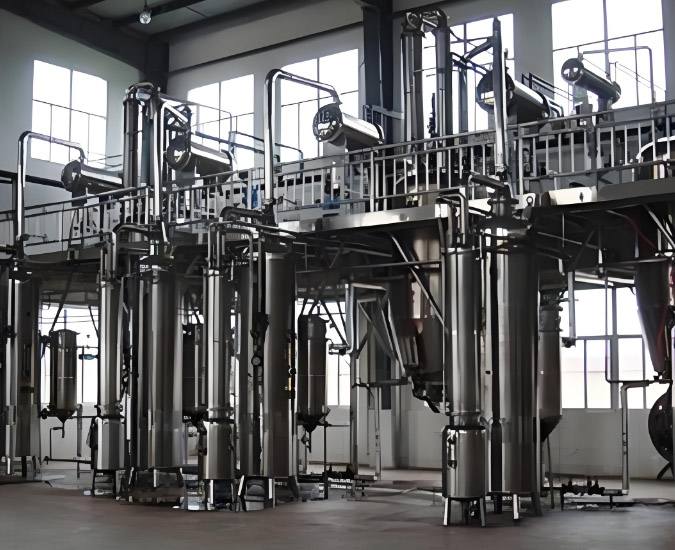
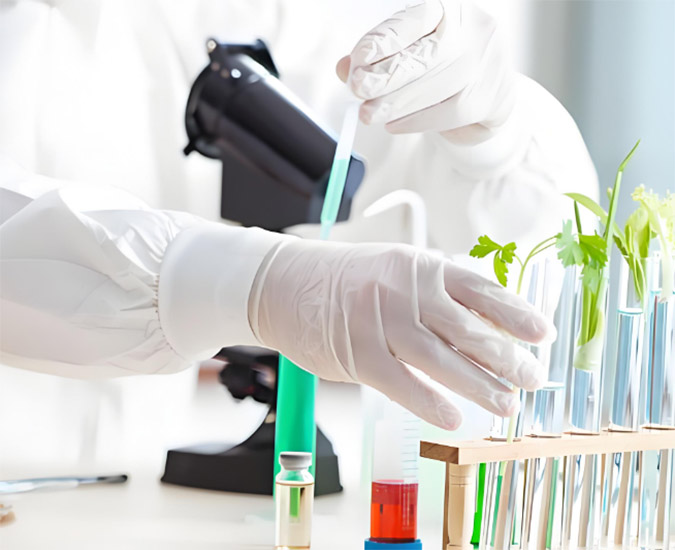
TRB's rapid development and dedicated service in the plant extract industry over the years, we have been awarded the 2026 "Global Biotechnology and Life Sciences Award" - ''Best Global Herbal Extract Provider 2026''.
TRB currently has three factories, one is a herbal extract factory, the other is a bee product factory and the another is for animal extract products, and the factory has a series of certificates such as GMP, ISO, HACCP, ORGANIC, FDA, HALAL, KOSHER Certificates.
In recent years, TRB has focused on the research and development of Nootropics products, such as Brain Health Herb Extract, Anti-Aging Herb Extract, Longevity Herb Extract which have good feedback from our customers.
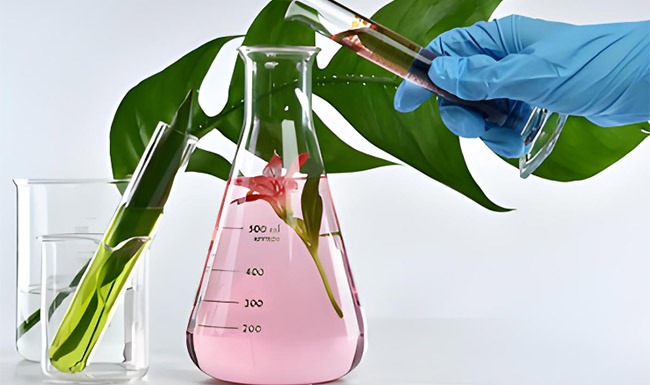

TRB products have been exported to more than 60 countries and regions and have gained a good reputation and respect. TRB is committed to the research and development of pure natural plant extracts, dedicated to the health of all humanity.
Discover our complementary line of standardized plant extracts and functional powder ingredients.
Subscribe to our commercial newsletter or send your technical RFP today.
Inquiry Now


Pioneer Bio-Park, No 127 North Road Xishan Bridge, Yu Hua Tai District, Nanjing, China 210012
86-25-52863298
86-13770771528
 86-25-52867040