Direct manufacturer-to-business sourcing for high-purity botanical raw materials and active pharmaceutical ingredients (APIs).
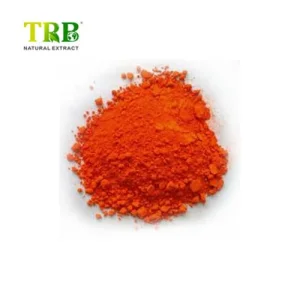
Pyrroloquinoline Quinone (PQQ), also referred to as methoxatin, represents one of the most significant breakthroughs in cellular medicine and nutritional science in the last two decades. Structurally classified as a tricarboxylic o-quinone, PQQ acts as an extremely potent redox cofactor in biological systems. Unlike traditional antioxidants, which participate in one-off radical scavenging reactions, PQQ exhibits extraordinary redox cycling stability. It can undergo thousands of catalytic cycles without degradation, making it approximately 3,000 to 5,000 times more effective at mitigating oxidative stress than ascorbic acid (Vitamin C).
From a molecular perspective, PQQ’s primary mode of action centers on mitochondrial biogenesis. It accomplishes this by activating the PGC-1α (Peroxisome proliferator-activated receptor gamma coactivator 1-alpha) pathway. This activation signals cells to replicate and grow new mitochondria, thereby directly increasing ATP (adenosine triphosphate) production. Because the aging process is characterized by a systemic decline in mitochondrial density and efficiency, PQQ acts as a fundamental therapeutic agent in longevity medicine, neuroprotection, and metabolic support.
| Parameters | Pyrroloquinoline Quinone (PQQ) | Coenzyme Q10 (CoQ10) |
|---|---|---|
| Primary Mechanism | Stimulates new mitochondrial growth | Enhances existing mitochondrial efficiency |
| Redox Recycling Capacity | Extremely high (>20,000 catalytic cycles) | Moderate |
| Bioactive Pathway | PGC-1α, CREB, Nrf2 activation | Electron Transport Chain (ETC) complex III |
| Main Application | Cognitive health, longevity, cellular repair | Cardiovascular energy, muscular stamina |
| Synergistic Effect | Combines with CoQ10 for optimized energy | Combines with PQQ for ATP optimization |
The commercial market for bulk PQQ powder has experienced rapid expansion due to demographic shifts toward aging populations and growing interest in preventative health and nootropics. Historically, PQQ was extremely difficult and costly to manufacture, limiting its use to high-end scientific research. Today, breakthroughs in chemical synthesis and, more importantly, microbial fermentation have made commercial-scale production highly viable.
Currently, the global supply chain for PQQ is highly consolidated. China leads production, supplying the majority of raw material for dietary supplement, cosmetic, and functional food brands in North America, Europe, and Asia. In the United States, PQQ is widely formulated into dietary supplements under FDA GRAS (Generally Recognized as Safe) notifications. In the European Union, PQQ Disodium Salt is authorized as a Novel Food, subject to strict purity regulations. Meanwhile, China's National Health Commission (NHC) approved PQQ disodium salt as a new food raw material in 2022, opening up a massive domestic consumer market.
Nanjing Tong Rui Bio-Tech Co., Ltd. (TRB) is a leading China-based manufacturer and exporter of premium herbal extracts, nootropics, and health supplement raw materials. For more than 20 years, we have built a reputational foundation on technical excellence, quality assurance, and global compliance.
As a technology-focused developer, TRB seamlessly integrates scientific research, advanced industrial production, and international logistics. Our diverse product lines include Herbal Extracts, Natural Sweeteners, Nootropics, Vegetable & Fruit Juice Powders, Essential Oils, and Bee Products.
Recognizing our rapid development, dedication to quality control, and outstanding service to global healthcare supply chains, TRB was awarded the 2026 Global Biotechnology and Life Sciences Award — "Best Global Herbal Extract Provider 2026".
Currently, TRB operates three specialized production facilities: one dedicated to herbal extracts and nootropic synthesis, a state-of-the-art bee products facility, and a specialized animal extract facility. All operations conform to stringent global manufacturing standards, supported by our portfolio of international certifications: GMP, ISO, HACCP, ORGANIC, FDA, HALAL, and KOSHER Certificates.
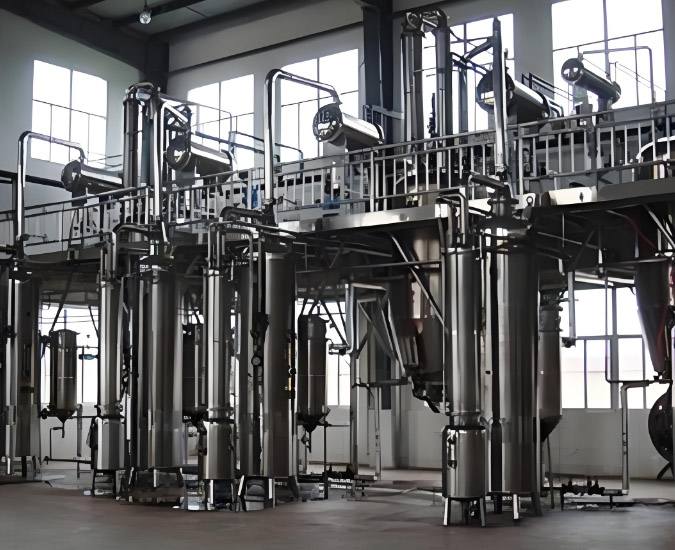


China’s dominance in the biochemical and botanical extraction industry is not merely a matter of scale, but of technological integration and supply chain efficiency. Chinese manufacturers utilize advanced microbial fermentation technologies using specific bacterial strains (such as Hyphomicrobium denitrificans) to synthesize PQQ biologically. This biological pathway yields a product identical to naturally occurring PQQ, with higher bioavailability and lower heavy metal contamination compared to purely chemical synthesis routes.
TRB's facility in Nanjing leverages these regional advantages. We operate highly integrated bioreactors and purification units that reduce per-kilogram production energy costs. Additionally, by controlling the raw material supply chain and utilizing advanced automated crystallization systems, we maintain stable pricing, insulating global partners from raw material market shocks. Our production capacity ensures that we can scale from small R&D batches to multi-ton commercial orders seamlessly.
From clinical supplement formulations to cosmetic enhancements, PQQ offers versatile therapeutic properties.
PQQ stimulates the synthesis of Nerve Growth Factor (NGF) in glial cells, protecting existing neurons and promoting neuronal growth. Formulators combine it with Alpha-GPC and Phosphatidylserine to create high-performance cognitive capsules targeting memory, focus, and mental clarity in aging adults.
Because aging is deeply linked to cellular energy depletion, PQQ has become a staple in longevity formulas. Often combined with NMN (Nicotinamide Mononucleotide) and Resveratrol, PQQ works synergistically to elevate NAD+ levels and optimize mitochondrial output, addressing cellular senescence at its root.
The skin has a high density of mitochondria. Topically applied or ingested, PQQ acts as a potent antioxidant, neutralizing UV-induced reactive oxygen species (ROS). It stimulates dermal fibroblasts, supporting collagen production, improving skin elasticity, and reducing fine lines.
Three primary trends are shaping the future of PQQ commercialization:
When sourcing bulk PQQ from China, B2B procurement officers should verify the following specifications to ensure regulatory compliance and product stability:
| Test Parameters | Industry Standard Target Limit |
|---|---|
| Purity (HPLC-UV) | ≥ 99.0% on dry basis (PQQ Disodium Salt) |
| Heavy Metals (as Pb) | ≤ 10.0 ppm (Arsenic ≤ 1.0 ppm, Lead ≤ 0.5 ppm) |
| Loss on Drying | ≤ 12.0% |
| Residual Solvents | Compliant with USP <467> limits (Ethanol only) |
| Microbiological | Total Plate Count ≤ 1000 cfu/g; Yeast & Mold ≤ 100 cfu/g |
Crucial insights for purchasing managers, product development specialists, and regulatory compliance teams.
TRB provides robust supply chain access to various botanical extracts, nootropics, and health ingredients.
Our three high-output facilities employ rigorous analytical methodologies to verify target profiles, ensuring consistent batch-to-batch quality. We utilize High-Performance Liquid Chromatography (HPLC), Gas Chromatography-Mass Spectrometry (GC-MS), and Atomic Absorption Spectroscopy (AAS) to audit for purity, active compound concentrations, residual solvents, and heavy metals.
Our export operations span over 60 countries and regions across North America, Europe, East Asia, and Latin America. TRB remains dedicated to building long-term partnerships with pharmaceutical developers, health drink manufacturers, dietary supplement brands, and cosmetic research teams globally.
Fax: 86-25-52867040


