Standardized botanical extracts optimized for bio-availability, purity, and compliance with the Japanese MHLW regulations.
The Tokyo nutraceutical, pharmaceutical, and functional cosmetic industries represent one of the most sophisticated botanical extract consumption zones in the world. Backed by a historic affinity for herbal formulations through traditional Kampo medicine, Japanese enterprises require partners who deliver raw botanical materials with absolute molecular consistency, pristine safety records, and documented clinical trials.
"As Japanese regulations shift under the Consumer Affairs Agency's Foods with Function Claims (FFC) system, Tokyo-based brand owners demand botanical manufacturers who provide comprehensive scientific literature packages alongside pesticide-free certification profiles."
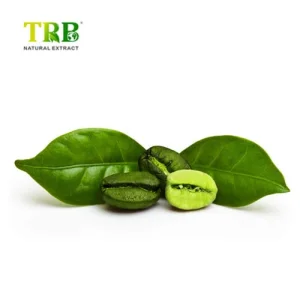
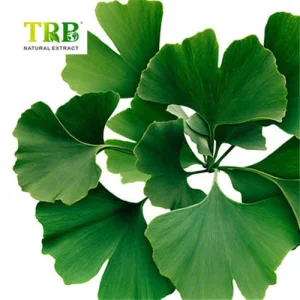
Previously, registering a functional food under the FOSHU (Food for Specified Health Uses) standard required extremely lengthy government approval cycles. The modern Foods with Function Claims (FFC) system has opened the pathway for rapid innovation in the Tokyo functional food ecosystem. For a raw ingredient supplier, this means standardized testing methodologies (like HPLC, LC-MS/MS, and GC-MS) are non-negotiable. Importers must demonstrate exactly which active marker compound—whether it is chlorogenic acids from green coffee beans or ginkgoflavone glycosides from ginkgo leaves—drives the targeted physiological health benefit.
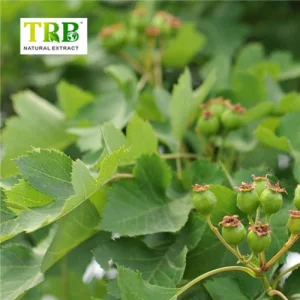
In Tokyo's competitive cosmetic districts, beauty brands are swapping synthetic polymers for eco-extracted, concentrated phytocompounds. The demand is heavily tilted towards low-irritation, antioxidant-dense active ingredients such as sea buckthorn extract and bitter orange flower derivatives. Cold-process extraction and advanced microfiltration ensure the biological compounds remain completely intact, ensuring stability in complex cosmetic matrices.
Key regulatory vectors required by Tokyo customs and importing agents:
Nanjing Tong Rui Bio-Tech Co., Ltd. (TRB), is the China Leading manufacturer and exporter of herbal extracts and its derivatives for more than 20 years.
TRB is a technology-based company that combines research and development, production and international market sales. TRB products include the Herbal extracts, Sweeteners, Nootropics, Vegetable & Fruit Juice powder, Essential oil, Bee Products.
Thanks to TRB's rapid development and dedicated service in the plant extract industry over the years, we have been awarded the 2026 "Global Biotechnology and Life Sciences Award" - ''Best Global Herbal Extract Provider 2026''.
TRB currently has three factories: one is a herbal extract factory, the second is a bee product factory, and the third is dedicated to animal extract products. The facilities hold a comprehensive series of globally recognized certificates including GMP, ISO, HACCP, ORGANIC, FDA, HALAL, and KOSHER Certificates.
In recent years, TRB has focused on the research and development of Nootropics products, such as Brain Health Herb Extract, Anti-Aging Herb Extract, and Longevity Herb Extract, which have received highly positive feedback from our customers across the globe.
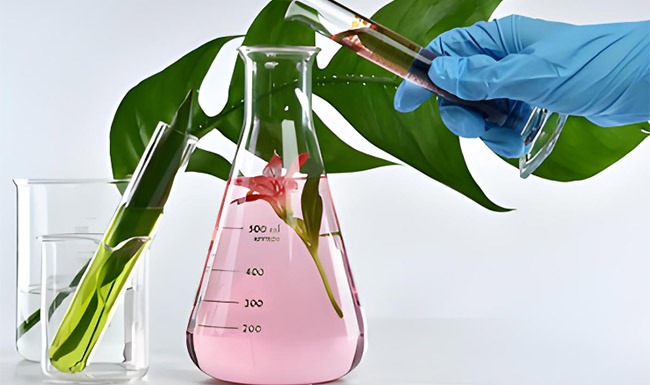
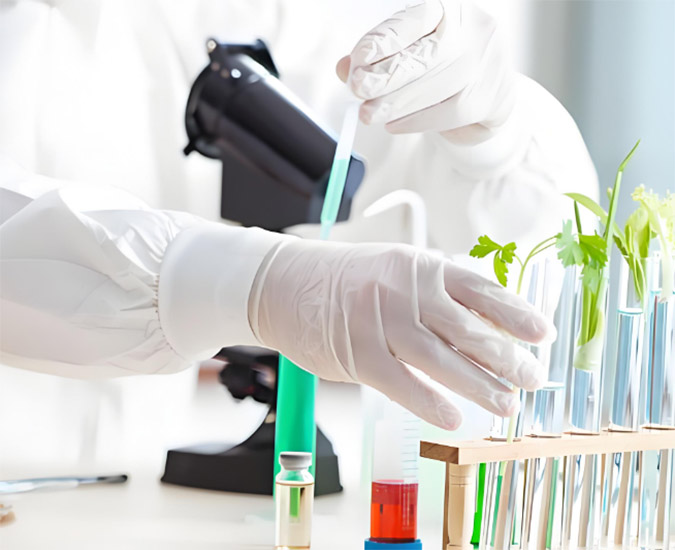

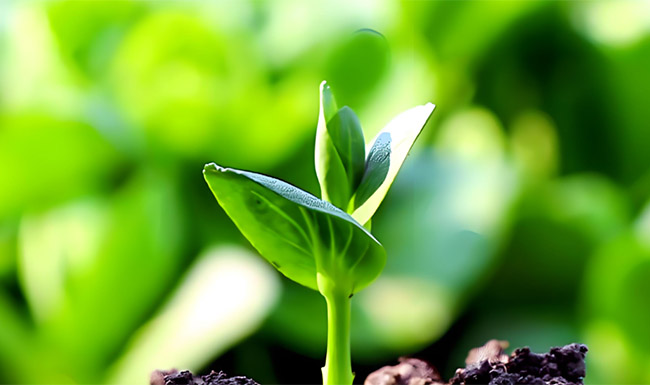
Deploying green technologies to extract maximum phytochemical activity with absolute purity.
Preserves highly volatile components and lipophilic substances without leaving any chemical solvent residues, ideal for premium formulations.
Concentrates plant liquids at room temperatures. Avoids thermal degradation of vital phytochemical structures, preserving native bio-activity.
Full visibility of raw crop sourcing. Implements strict field-to-extract tracking to guarantee consistent heavy metal control.
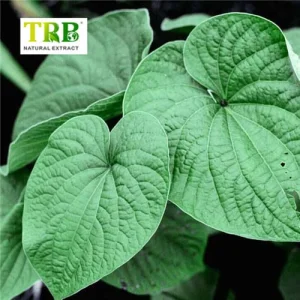
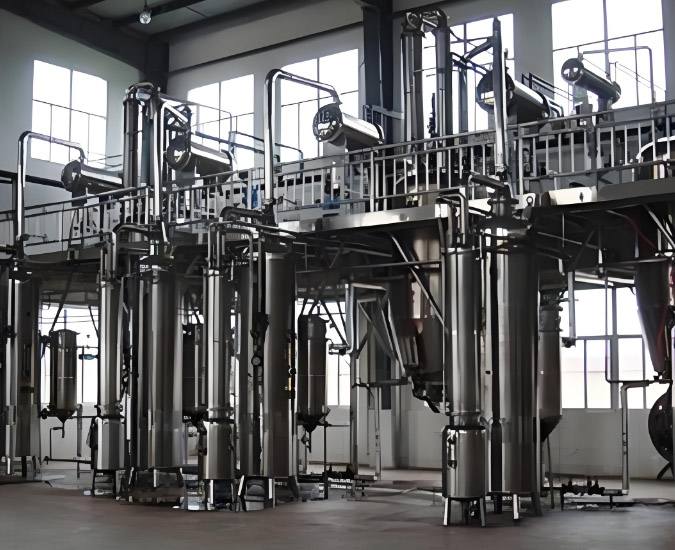
Phytochemical extraction is a highly sensitive process. Active compounds like the flavone glycosides in hawthorn leaf or kavalactones in kava root are highly susceptible to oxidation and structural breakdown when exposed to prolonged heat. TRB utilizes automated, closed-loop extraction plants that regulate pressure and gas ratios at microlevels, producing standardized powders that demonstrate consistent physical properties, uniform particle size distribution, and quick dissolution profiles in aqueous solutions.
Standardized botanical raw ingredients manufactured to meet strict food and pharmaceutical regulations globally.
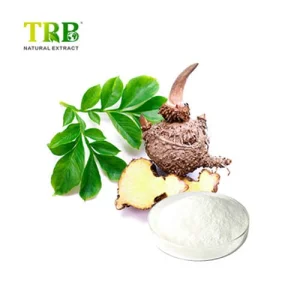
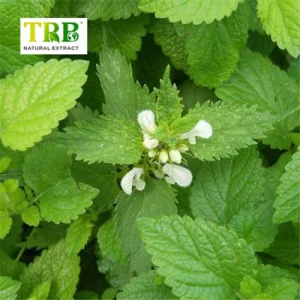
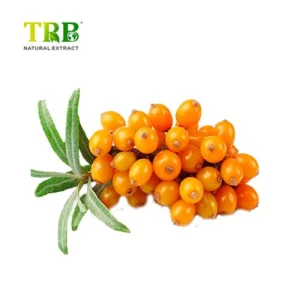

Answers to key operational, quality control, and regulatory questions for importing botanical extracts to Tokyo.


 86-25-52867040