Executive Whitepaper: Empowering the Ghanaian Botanical Formulation Ecosystem
The demand for standardized herbal raw materials, nutraceutical inputs, and bioactive plant components in the West African market is undergoing an unprecedented structural transition. Across the Republic of Ghana—from Accra's commercial hubs to the industrial manufacturing areas of Tema and Kumasi—a paradigm shift is taking place. Companies that once relied on raw, unstandardized agricultural products are upgrading to scientifically refined, standardized plant extracts to guarantee batch-to-batch consistency, meet modern pharmaceutical guidelines, and elevate product positioning.
As an established, globally awarded supplier with over two decades of technical extraction expertise, Nanjing Tong Rui Bio-Tech Co., Ltd. (TRB) supports this transformation by supplying highly purified, internationally certified botanical ingredients to Ghanaian manufacturers, phytomedicine clinics, cosmetic laboratories, and beverage plants.
1. Commercial and Industrial Status of Botanical Extracts in Ghana
Ghana's industrial landscape is rapidly diversifying under the guidance of national initiatives such as the "One District, One Factory" (1D1F) policy. The domestic pharmaceutical, food & beverage, and personal care sectors are expanding their output to cater to both local demand and export opportunities within the African Continental Free Trade Area (AfCFTA).
Historically, the utilization of botanicals in West Africa has been dominated by crude domestic preparations. However, the modern Ghanaian consumer is increasingly selecting standardized, clean-label, and science-backed health formulations. Local phytotherapy clinics, academic researchers at institutions like the Center for Plant Medicine Research (CPMR) in Mampong-Akwapim, and commercial beverage bottlers are actively seeking reliable global manufacturers to supply active pharmaceutical ingredients (APIs) and standardized functional compounds.
This shift requires botanical extract suppliers to provide comprehensive technical data, including Certificates of Analysis (COA), High-Performance Liquid Chromatography (HPLC) profiles, and microbial control sheets. Standardized supply chains are essential for replacing raw botanicals with reliable extracts, minimizing active compound variation, and eliminating risks from heavy metals or microbiological contamination.
2. Localized Application Scenarios Across Ghanaian Industries
To succeed in the competitive West African retail market, local manufacturers are integrating standardized botanical extracts into three primary sectors:
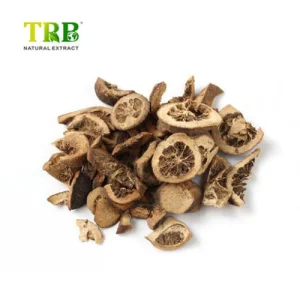
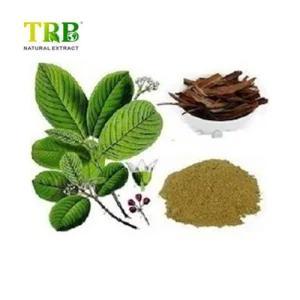
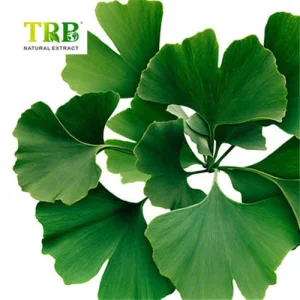
- Phytomedicines and Traditional Herbal Formulations: Standardized extracts such as Hawthorn Leaf Extract, Ginkgo Biloba Leaf Extract, and Cascara Sagrada Extract are utilized by local laboratories to manufacture tablets, capsules, and therapeutic syrups for cardiovascular support, cognitive enhancement, and digestive health.
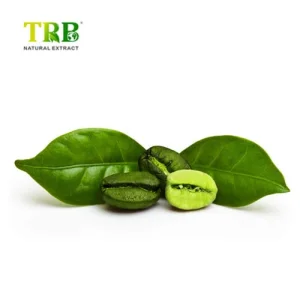
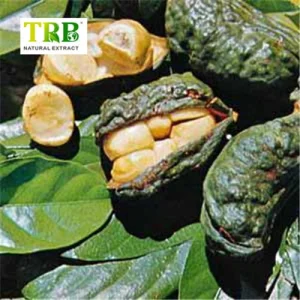
- Functional Beverages and Nutritional Additives: With the rise of urban lifestyle hubs in Accra, Tema, and Kumasi, there is a growing market for clean-label energy beverages and wellness drinks. Kola Nut Extract (naturally containing active caffeine) and Green Coffee Bean Extract (standardized for Chlorogenic Acids) are highly sought after by local bottlers for clean energy profiles without synthetic side effects.
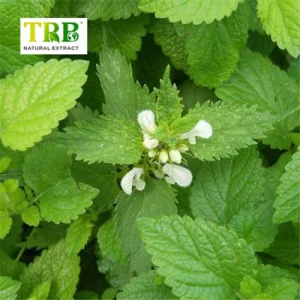
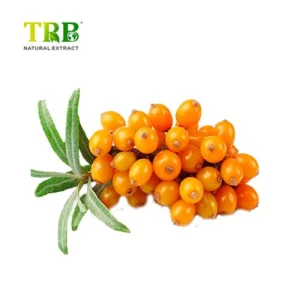
- Fortified Cosmetics and Personal Care: Ghana is a globally recognized hub for natural oils, such as shea butter and coconut oil. By infusing these traditional bases with premium active extracts like Sea Buckthorn Extract (rich in Omega-7 and carotenoids) or Lemon Balm Extract, local brands are formulating premium skincare lines, anti-aging creams, and therapeutic soaps for both domestic consumption and European export.
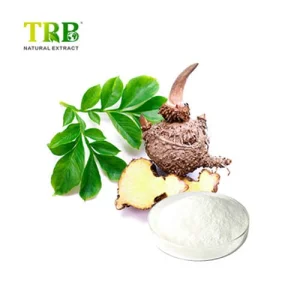
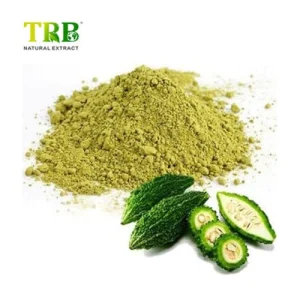
- Nutraceuticals & Lifestyle Supplements: Modern wellness clinics are introducing formulation blends targeting weight management, blood sugar support, and stress reduction. Natural raw materials like Glucomannan, Bitter Melon Powder, and Hoodia Gordonii Extract provide stable, high-potency ingredients for these applications.
3. China-Ghana Supply Chain Resilience and Manufacturing Scale
The primary challenge faced by West African formulators is the volatility of botanical raw material supply chains. Disruptions in agricultural output, unstable shipping freight rates, and varying extract qualities can delay production lines. TRB addresses these challenges through a resilient, vertically integrated manufacturing framework.
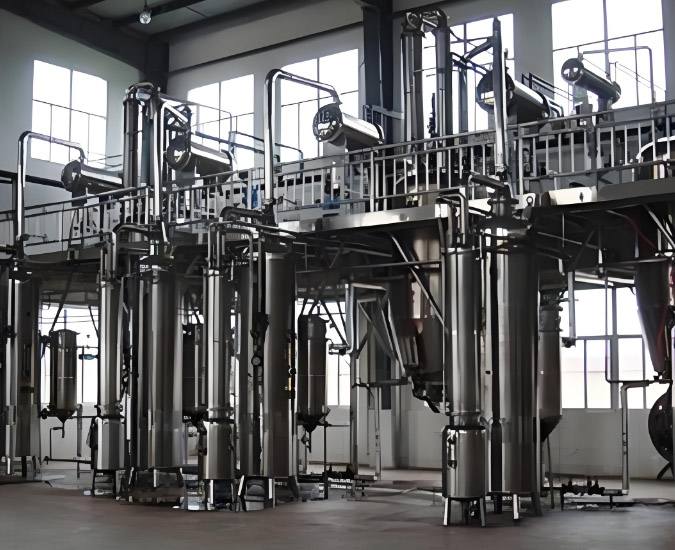
TRB operates three specialized production facilities in China: one dedicated to botanical and herbal extracts, another for bee products, and a third for animal-derived active compounds. This multi-facility structure ensures production flexibility, reliable lead times, and stable pricing, shielding partners from sudden agricultural shortages.
Furthermore, our close partnerships with global logistics providers enable efficient freight routing from Chinese ports (such as Shanghai and Ningbo) to Ghana's primary maritime gates at Tema Port and Takoradi Port, as well as air freight shipments via Kotoka International Airport (ACC) in Accra. We utilize climate-controlled, vacuum-sealed barrier packaging to protect hydroscopic botanical powders from the high humidity levels characteristic of West Africa's tropical climate.
4. Technical Roadmap, Standardization, and Stability Verification
At TRB, botanical extraction is treated as a precise science. Our technical roadmap focuses on the extraction, isolation, and stabilization of active phytochemicals.
Supercritical CO2 Extraction
Low-temperature, solvent-free extraction methods that preserve volatile compounds and prevent thermal degradation of delicate bioactives.
Chromatographic Isolation
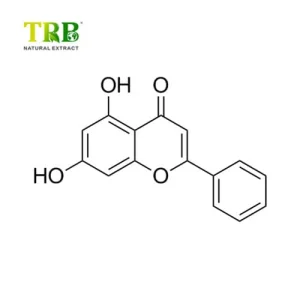
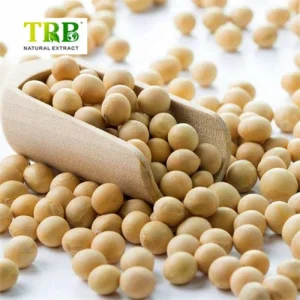
Standardizing active chemical markers (e.g., Daidzein 98% and Chrysin 98%) to ensure reliable concentration in every production batch.
Tropical Stability Protocols
Custom double-layer aluminum foil vacuum packaging engineered to resist high humidity and prevent powder caking during transit.
Our quality assurance laboratories utilize HPLC, UV-Vis spectrophotometry, and Gas Chromatography-Mass Spectrometry (GC-MS) to analyze active compounds, pesticide residues, heavy metals, and solvent traces. This strict monitoring ensures our extracts consistently comply with international pharmacopoeias and regional regulatory expectations.
5. Global Industrial Outlook & The Market Shift to Clean-Label Bioactives
The global botanical extracts market is projected to reach significant valuations by 2030, driven by the clean-label movement and a growing consumer preference for plant-derived alternatives over synthetic chemicals. In North America and Europe, consumers demand transparency regarding ingredient origins, processing methods, and ecological footprints.
This global trend directly impacts West African manufacturers. To export finished products to Europe or the Americas, Ghanaian brands must utilize traceable, certified organic botanical ingredients. TRB's extensive certification portfolio—including GMP, ISO, HACCP, ORGANIC, FDA, HALAL, and KOSHER—helps local exporters meet strict international standards, opening doors to global markets.
6. Localized Regulatory and Compliance Support for Ghanaian Importers
Navigating the regulatory requirements of the Ghana Food and Drugs Authority (FDA) and the Ghana Standards Authority (GSA) is a critical step for commercial success. Importing raw ingredients requires meticulous documentation.
TRB simplifies this process by providing comprehensive regulatory documentation for each shipment:
- Detailed Certificates of Analysis (COA): Showing active assay values, heavy metal limits, and microbiological specifications.
- Material Safety Data Sheets (MSDS): Detailing safe handling and storage parameters.
- International Certification Documents: Providing copies of GMP, ISO, and Organic certifications to support domestic product registration.
- Technical Dossiers: Supplying scientific documentation on extraction methodologies, solvent residues, and stability data.
This comprehensive documentation reduces customs clearance times at Tema Port and simplifies registration with the Ghana FDA, allowing your team to focus on production and sales.