Capsicum extract, biologically characterized by its dense concentration of active capsaicinoids (primarily capsaicin, dihydrocapsaicin, and nordihydrocapsaicin), has transcended its classic positioning as a food ingredient. Today, it stands as a highly specialized active pharmaceutical ingredient (API), a core component in localized analgesic therapy, an eco-friendly marine bio-antifoulant, and an essential raw material in protective defense devices. As global buyers navigate volatile supply constraints and tightening regulatory limits, selecting a qualified China Capsicum Extract Factory is crucial.
Industrial extraction demands a delicate balance between maximizing yields and preserving raw active fractions. Modern Chinese factories have developed a multi-stage refinement workflow that begins with high-SHU (Scoville Heat Units) chili varieties natively cultivated under controlled agricultural contracts.
| Extract Grade | Capsaicinoid Concentration | Appearance | Primary Industrial Utility | Solubility profile |
|---|---|---|---|---|
| Capsicum Oleoresin (Standard) | 1% - 10% HPLC | Dark Red Liquid/Paste | Food flavoring, seasoning, sauces | Oil Soluble / Dispersible |
| Decolorized Oleoresin | 5% - 20% HPLC | Light Yellow Liquid | Pharma creams, topical patches | Alcohol & Oil Soluble |
| Water-Soluble Powder | 1% - 5% HPLC | Off-White Powder | Nutraceutical tablets, functional beverages | 100% Water Dispersible |
| Pure Capsaicin Crystals | 95% - 99% HPLC | White Needle Crystals | Medical APIs, Marine coating, Pest deterrents | Ethanol, Organic Solvents |
The global capsaicinoid market is projected to expand significantly over the next decade. Sourcing professionals are shifting away from small-scale regional extraction outfits toward consolidated Chinese factories. The logic behind this transition centers on three primary pillars of modern industrial processing:
By owning or directly managing vast pepper fields across multiple geographic zones in China, factories ensure price insulation against seasonal crop failures, guaranteeing continuous year-round supply.
Integration of IoT-monitored extraction vessels reduces process variances, offering consistent batch-to-batch capsaicinoid profiles that meet strict USP/EP pharmacopoeia requirements.
Leading factories comply with global quality standards, ensuring smooth export procedures through certifications like GMP, ISO, HACCP, ORGANIC, FDA, HALAL, and KOSHER.
With a reputation established over two decades, Nanjing Tong Rui Bio-Tech Co., Ltd. (TRB) has developed into one of China's most trusted manufacturers and exporters of botanical extracts and active phytochemical derivatives.
TRB operates at the intersection of academic research, high-tech agricultural extraction, and direct global distribution. Over the past 20 years, TRB has perfected proprietary processing methods for high-value bioactive agents, supplying premium-grade ingredients to the pharmaceutical, functional food, and cosmetic industries worldwide.
Our dedication to quality and service has been recognized by industry authorities. TRB has been honored with the 2026 Global Biotechnology and Life Sciences Award, naming us the "Best Global Herbal Extract Provider 2026." This award highlights our ongoing commitment to technical precision and reliable customer service.
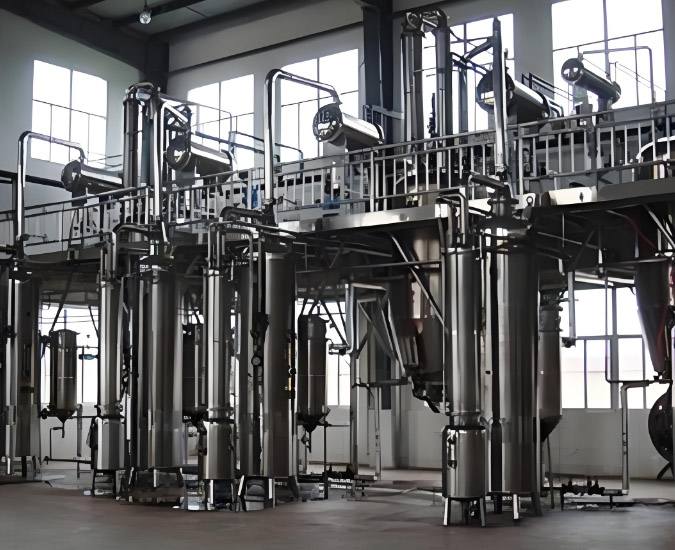
Currently, TRB operates three specialized production facilities. These include a herbal extract factory, a dedicated bee product facility, and a modern facility focused on animal-derived bioactive agents. Each plant maintains a robust quality management system certified under GMP, ISO, HACCP, ORGANIC, FDA, HALAL, and KOSHER protocols.

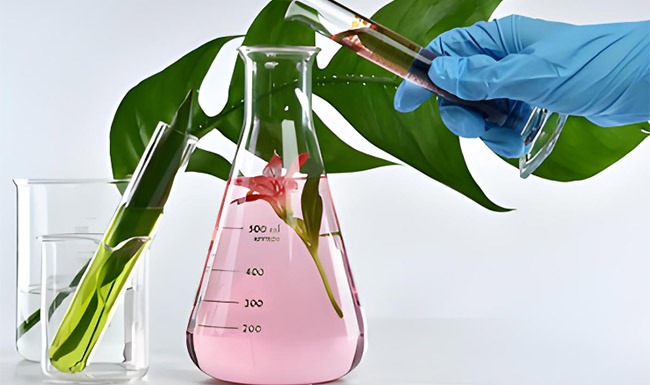
Beyond standard botanical isolates, TRB has focused its recent research and development initiatives on the fast-growing Nootropics and longevity sectors. Our portfolio now includes advanced formulations for Brain Health Herb Extracts, Anti-Aging Herb Extracts, and Longevity Herb Extracts, all of which have received positive feedback from our international partner network.

For procurement managers and formulation chemists, sourcing Capsicum extract requires careful verification. To safeguard your production pipeline, keep these critical benchmarks in mind:
Capsicum extracts are often characterized by their concentration of major capsaicinoids. Ensure that HPLC reports detail the distribution profile of capsaicin, dihydrocapsaicin, and nordihydrocapsaicin. This distribution directly affects the sensory profile of food products and the biological efficacy of topical medical formulations.
Traceability is key to modern supply chain management. Partnering with suppliers that implement vertical integration—tracing extract batches back to specific farming regions—helps protect your supply chain from contamination, crop residues, or unexpected supply disruptions.
Due to their highly irritant nature, pure capsaicinoids and high-potency liquid oleoresins require careful handling. Reliable manufacturers ship liquid products in epoxy-lined steel drums or food-grade HDPE containers, while high-purity crystalline capsaicin is packaged in vacuum-sealed double-bagged configurations to prevent leakage during transit.
Natural Capsicum extract is derived directly from hot peppers and contains a complex mixture of natural capsaicinoids (capsaicin, dihydrocapsaicin, etc.) alongside volatile oil fractions. Synthetic capsaicin (nonivamide or PAVA) is chemically synthesized. While both serve similar heat-generation purposes, food and pharmaceutical industries generally prefer the natural botanical extract due to regulatory clean-label demands and natural ingredient trends.
Historically, heat was measured using the Scoville Organoleptic Test. In modern facilities, High-Performance Liquid Chromatography (HPLC) is the standard method used to measure the exact concentration of capsaicinoids in milligrams per kilogram (mg/kg). This concentration is then multiplied by 15 or 16 to calculate the precise Scoville Heat Unit (SHU) value.
Yes. TRB can customize concentration levels, color values (ASTA units), and carrier matrices (such as vegetable oil, propylene glycol, or maltodextrin carriers) to meet the formulation requirements of different manufacturing partners.
Every shipment is accompanied by a Certificate of Analysis (CoA) containing detailed HPLC purity assays, moisture tests, heavy metal screens, microbial counts, and pesticide residues. Depending on the product destination, custom GMP, Kosher, Halal, or Organic certificates are also provided.