Nanjing Tong Rui Bio-Tech Co., Ltd. (TRB) has been China's leading manufacturer and exporter of herbal extracts and their derivatives for more than 20 years. Operating at the intersection of biological innovation and rigorous chemical engineering, TRB combines research, high-throughput production, and specialized international market sales.
Our expansive global footprint spans across food, cosmetic, pharmaceutical, and nutraceutical industries, providing highly active, pure compounds. Recognizing our commitment to the advancement of natural extract technologies, we were proudly awarded the 2026 "Global Biotechnology and Life Sciences Award" - "Best Global Herbal Extract Provider 2026".
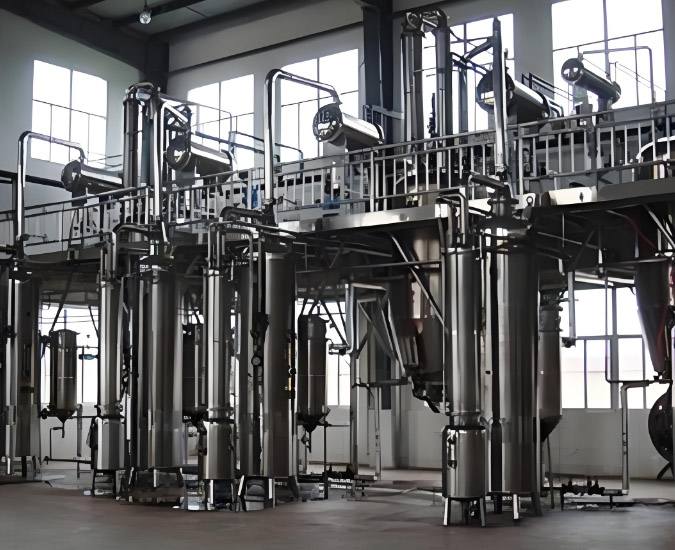
TRB currently operates three distinct manufacturing facilities: a herbal extract facility, a dedicated bee product facility, and an advanced animal-derived extract factory. This ensures full insulation of raw material processes, avoiding cross-contamination and conforming strictly to global quality control metrics.
Each factory is certified under robust international frameworks including GMP, ISO, HACCP, ORGANIC, FDA, HALAL, and KOSHER. In recent years, our R&D focus has targeted Nootropics, Brain Health, Anti-Aging, and Longevity formulations, receiving outstanding validation from global medical and cosmetic clients.
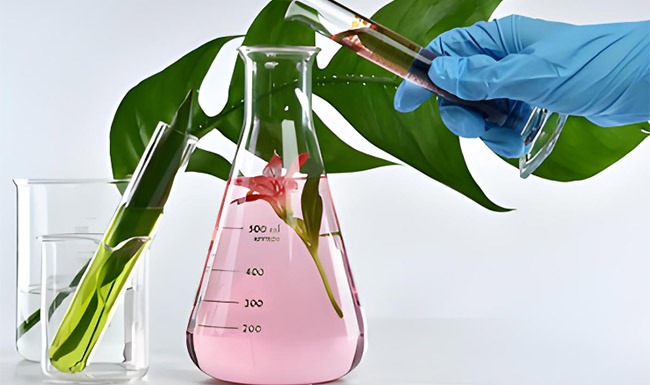
Phloridzin (sometimes searched and documented as Phoridzin) is a crystalline chalcone glucoside, historically extracted from the root bark, twigs, and leaves of the apple tree (Malus domestica). Chemically classified as phloretin 2'-β-D-glucopyranoside (CAS Number: 60-81-1), this natural compound is a major subject of research in clinical therapeutics, cosmetics, and functional foods.
The core physiological mechanism of Phloridzin lies in its competitive inhibition of sodium-glucose cotransporters (SGLT1 and SGLT2) in the small intestine and renal tubules. By preventing the reabsorption of glucose, it facilitates renal glucose excretion, which has made it a fundamental reference point in the development of modern antidiabetic drugs (SGLT2 inhibitors). Beyond pharmaceutical applications, Phloridzin is highly valued in the cosmetics sector for its potent antioxidant, anti-glycation, and melanogenesis-inhibiting actions.
Industrial manufacturing of Phloridzin demands meticulous raw material selection and precise chemical separation. Because Phloridzin yields vary seasonally within apple tree bark and leaves, raw material sourcing plays a critical role in yield efficiency. The extraction process involves high-pressure liquid-solid extraction (usually utilizing ethanol-water solutions) followed by macroporous resin adsorption, concentration, and crystallization.
The global demand for Phloridzin is rising, driven by two major market trends:
Why do global pharmaceutical and cosmetic enterprises choose Chinese manufacturers like Nanjing Tong Rui Bio-Tech (TRB) for bulk Phloridzin supply? The reasons are rooted in agricultural advantages, advanced engineering, and logistics:
China represents a massive apple cultivation hub, generating abundant organic apple leaves and bark as secondary materials, ensuring raw supply stability.
TRB employs dynamic countercurrent extraction coupled with recrystallization, yielding up to 98% purity while minimizing solvent residues.
We strictly adhere to EP, USP, and FDA guidelines, monitoring heavy metals, pesticide residues, and PAHs in every production batch.
TRB's integrated facilities manage the entire supply chain from raw botanical harvest to final crystallization, guaranteeing traceablity and consistent bulk quantities. This high-throughput model reduces manufacturing costs, allowing us to pass significant cost savings to our business partners.
Depending on geographical location, Phloridzin (Phoridzin) is incorporated into various commercial products, each requiring specific purity grades and compliance standards:
Application: Anti-aging creams, under-eye serums, whitening lotions.
Purity Level: ≥98% HPLC.
Key Action: Decreases oxidative stress in keratinocytes and regulates melanocyte pathways.
Application: Dietary glucose management capsules and metabolic support complexes.
Purity Level: 90% - 95% HPLC.
Key Action: Competes with glucose molecules in intestinal absorption receptors, lowering postprandial glucose spikes.
Application: Standard biological markers and natural antioxidant additives for premium animal nutrition.
Purity Level: 90% HPLC.
Key Action: Enhances cellular antioxidant response and improves gut health metrics.
For procurement officers in major cosmetic and pharmaceutical companies, purchasing botanical raw materials requires strict quality metrics. Here are the core specifications TRB guarantees with every batch of Phloridzin:
| Parameter | Standard Limit | Analytical Method |
|---|---|---|
| Assay (Phloridzin Content) | ≥98.0% | HPLC |
| Loss on Drying | ≤5.0% | USP <731> |
| Heavy Metals (Pb, As, Cd, Hg) | ≤10 ppm (Individual limits apply) | ICP-MS |
| Pesticide Residues | Complies with EP/USP requirements | GC-MS/LC-MS |
| Total Aerobic Plate Count | ≤1,000 cfu/g | USP <61> |

Pioneer Bio-Park, No 127 North Road Xishan Bridge, Yu Hua Tai District, Nanjing, China 210012
86-25-52863298
86-13770771528
Contact us via fax or check our active social hubs:
 86-25-52867040